
Eco-Friendly Waste Disposal: What You Need to Know
As environmental concerns continue to grow, more individuals and businesses are seeking ways to minimize their ecological footprint. One effective method is through eco-friendly waste disposal. This practice not only benefits the environment but can also enhance community health and promote sustainability.

Understanding Eco-Friendly Waste Disposal
Eco-friendly waste disposal refers to methods that minimize harm to the environment. It involves reducing waste production, recycling materials, and disposing of waste in a way that reduces environmental impact. By adopting these practices, we can significantly decrease pollution and conserve natural resources.
Implementing eco-friendly disposal methods requires understanding different types of waste and the best ways to handle each. Common categories include organic waste, recyclables, e-waste, and hazardous waste. Each type demands its own method of disposal to ensure minimal environmental harm.

Reduce, Reuse, Recycle
The mantra "Reduce, Reuse, Recycle" is central to eco-friendly waste management. Reducing waste starts with conscious purchasing decisions, such as choosing products with minimal packaging or opting for bulk items. Reusing involves finding new purposes for items instead of discarding them, while recycling ensures materials are processed into new products rather than ending up in landfills.
Recycling plays a crucial role in conserving resources and reducing greenhouse gas emissions. It is essential to sort out recyclables such as paper, plastic, glass, and metals and place them in appropriate bins. Many communities offer curbside recycling programs to make this process convenient for residents.

Composting: Turning Waste into Resource
Composting is an excellent way to handle organic waste, such as food scraps and yard trimmings. This process converts organic materials into nutrient-rich compost, which can be used to improve soil quality in gardens and landscapes. Not only does composting reduce the volume of waste sent to landfills, but it also provides a sustainable alternative to chemical fertilizers.
Starting a compost pile is straightforward. All it requires is a designated space where organic materials can decompose naturally. The key is to balance green materials, like fruit and vegetable scraps, with brown materials, such as leaves and twigs, to ensure efficient decomposition.
Proper Disposal of Hazardous Waste
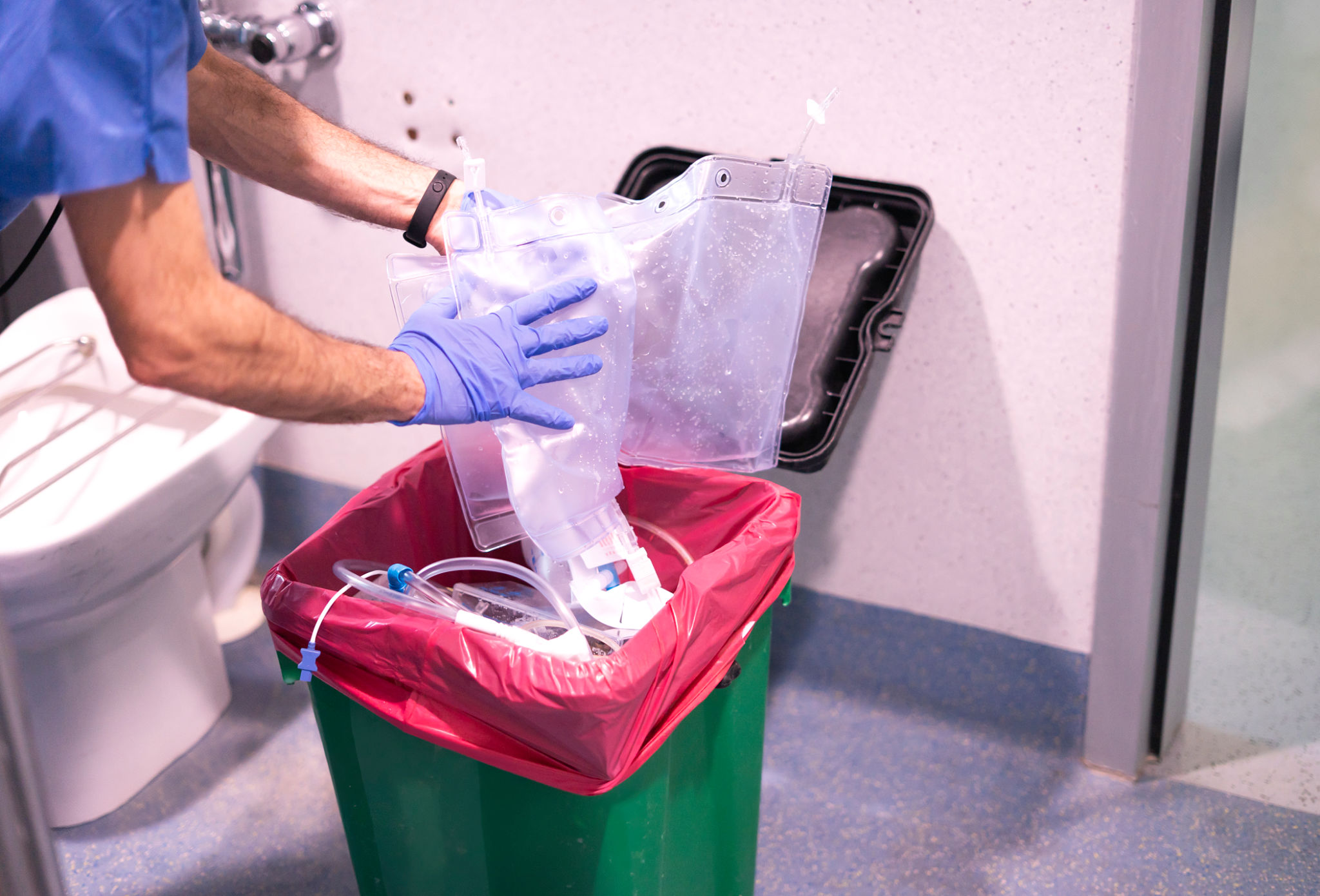
Hazardous waste, such as batteries, paints, and electronic devices, requires special handling. These items contain chemicals that can be harmful to the environment and human health if not disposed of correctly. Many municipalities offer hazardous waste collection days or designated drop-off locations to ensure safe disposal.
It's important to check local guidelines for hazardous waste disposal. Some retailers and manufacturers also offer take-back programs, allowing consumers to return old electronics or batteries for recycling or safe disposal.
Making a Lasting Impact
Adopting eco-friendly waste disposal practices can have a profound impact on the environment. Not only does it reduce pollution and conserve resources, but it also fosters a culture of sustainability. By taking small steps individually, we contribute to a larger movement towards a healthier planet.
Educating others about the importance of proper waste disposal can amplify these efforts. Community workshops, school programs, and social media campaigns are effective ways to spread awareness and encourage widespread participation.